
Deric “Scooter” Davis and the Making of a New Generation in Boxing.
BOXING / THE NEXT GENERATION
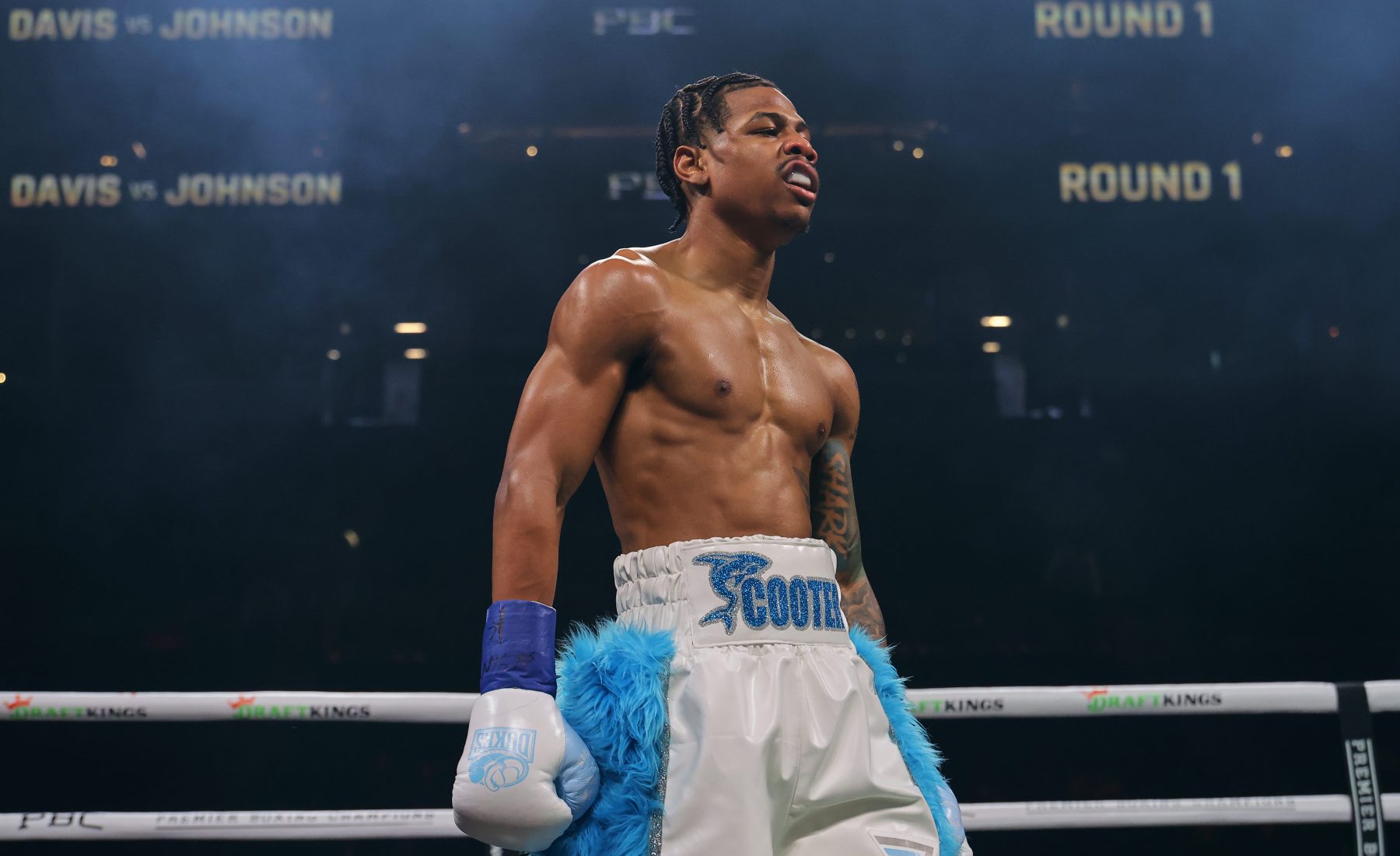
Before becoming one of boxing’s emerging lightweight prospects, Deric “Scooter” Davis dreamed of a career in football. Now undefeated and preparing for another national stage, the Washington, D.C. fighter represents a generation of athletes whose identities extend well beyond the ring.
The First Dream Was Football
Long before Deric “Scooter” Davis established himself as one of the promising young fighters emerging from Washington, D.C., he envisioned a different professional career. Football was his first love, a sport that introduced him to competition, teamwork and the possibility of building something bigger than himself through athletics. Boxing would eventually become his profession, but it wasn’t necessarily the future he originally imagined.
Davis began playing football at a young age and entered the boxing gym when he was six. For years, he managed to balance both sports, spending portions of the year in the ring and others on the football field. His father, Deric Davis Sr., coached him in Pop Warner football and recognized his son’s athletic potential early. As the younger Davis continued to excel in amateur boxing, however, his father believed the sport offered him an opportunity that deserved his complete attention. Shortly before his twelfth birthday, the decision was made to step away from football and concentrate on boxing.
In a July 2026 interview with The Ring, Davis admitted that the transition was emotional, recalling how deeply he wanted to pursue football before eventually accepting his father’s decision. What initially felt like losing one dream would become the foundation for another, as Davis developed into a highly accomplished amateur and began preparing for a professional career.
That experience distinguishes Davis from the familiar narrative of a young boxer who knew from childhood that he wanted nothing else. His relationship with the sport was shaped by sacrifice and an understanding that talent alone would not determine his future. The discipline he developed through football continued to serve him as his attention shifted toward the demands of individual competition, where every decision and mistake would eventually belong to him.
Learning Among Champions
Washington, D.C., and the surrounding Maryland region have long produced exceptional boxing talent, and Davis has developed within that tradition. After an amateur career that included more than 170 bouts, he continued sharpening his skills at Headbangers Boxing Gym under respected trainer Barry Hunter, gaining experience in an environment that has helped develop numerous world champions and contenders.
His education has also included time in the ring with established professionals, including Gervonta “Tank” Davis, Stephen Fulton, Lamont Peterson and Shawn Porter. For a young fighter still developing his professional identity, that experience offers lessons that cannot be replicated by an undefeated record alone. Working alongside elite athletes requires an understanding of timing, composure, defensive responsibility and the discipline necessary to remain competitive against considerably more experienced opposition.
Davis also spent time working in Gervonta Davis’s training environment during the preparation for Tank’s June 2024 showdown with Frank Martin, a period previously documented through UND1SPTD’s coverage. The experience represents an interesting intersection of careers, particularly as Scooter continues developing his own path within a lightweight division populated by many of the athletes he has studied and trained alongside.
In September 2025, Top Rank announced that it had signed Davis to a long-term promotional agreement, adding another promising American lightweight to its roster. By then, Davis had compiled eight professional victories without a defeat, each coming by knockout. His combination of power, athleticism and confidence had already attracted attention, but joining a major promotional company created an opportunity for his career to develop before a significantly larger audience.
A New Generation Requires More Than Knockouts
The professional boxing landscape is changing, particularly for younger athletes who understand the relationship between sporting success, visibility and personal branding. Fighters no longer develop exclusively through traditional promotional channels. Their audiences follow training footage, sparring sessions, personal interests, family relationships and the cultural environments that influence their lives. For Davis, the connection between football and boxing provides a natural foundation for building an identity that reaches beyond the sport’s established audience.
His broader athletic circle has also been associated with NFL wide receiver Stefon Diggs, another prominent name connected to the Washington and Maryland sporting community. The specific nature of their connection has not been publicly detailed, but Davis’s continued proximity to football culture reflects how naturally the worlds of professional football and boxing can intersect. For young athletes growing up around the same communities, success in one sport often influences ambitions in another, even when their careers ultimately take different directions.
That crossover is increasingly relevant to the way the next generation of fighters positions itself. Professional athletes across different leagues share interests in fashion, music, business, training and digital media, creating opportunities for younger fighters to reach audiences that might not otherwise follow boxing. Davis has the athletic background and personal story to participate in those conversations without abandoning the sport responsible for his professional success.
Still, the most meaningful measure of his development remains what happens between the ropes. After beginning his career with ten consecutive knockout victories, Davis encountered a different kind of test in 2026. He earned an eight-round unanimous decision over Moises Garcia Zenteno in April before defeating Carlos Ramos over eight rounds on July 4 in Cleveland. Against Ramos, a technically capable opponent who proved difficult to pin down, Davis was required to work through adversity rather than rely on an early finish.
Although the victory maintained his undefeated record, it also exposed areas that remain important to his development. Ramos’s movement and counterpunching forced Davis to remain patient, adjust his approach and compete through eight full rounds. Those experiences are an essential part of a young fighter’s education, particularly one who has already experienced the attention that comes with a high knockout percentage.
Building a Career That Belongs to Him
One of the more interesting aspects of Davis’s rise is the relationship between the ambitions he once held and the career his family helped him pursue. His father continues to play an important role in his professional development, managing a career that began with an early decision to prioritize boxing over football. That involvement reflects an important reality for many young athletes, particularly those whose families have invested years of time, resources and personal sacrifice into helping them pursue opportunities at the professional level.
Davis has also expressed an understanding of the responsibility that comes with representing the Washington, D.C. area. The region has produced generations of accomplished fighters, from established champions such as Lamont Peterson and Mark “Too Sharp” Johnson to contemporary names who continue carrying the area’s boxing tradition onto major international stages. Becoming another recognizable figure within that lineage requires more than an impressive beginning; it demands longevity, professional growth and the ability to deliver when the level of opposition becomes increasingly difficult.
On October 24, Davis is scheduled to return in an eight-round lightweight contest against Joaquín Silva Faccio on the undercard of Emanuel Navarrete and O’Shaquie Foster’s championship unification event at Frost Bank Center in San Antonio. The card also features Albert “Chop Chop” Gonzalez, Edward Vazquez and Frank Martin, giving Davis another opportunity to share a major boxing stage with established professionals as he works toward his own championship aspirations.
For Davis, the next phase of his career will be about turning potential into consistency. His undefeated record and promotional backing have created momentum, while his experience alongside some of boxing’s most recognized names has provided an education that many prospects spend years trying to obtain. The challenge now is translating that foundation into performances that demonstrate maturity, adaptability and the kind of development necessary to compete with the best fighters in the division.
The story of Deric “Scooter” Davis is ultimately about more than an athlete changing sports. It is about a young man whose earliest ambition took him toward one profession before his family recognized an entirely different opportunity. As boxing continues to introduce a new generation of personalities and future contenders, Davis represents the possibilities that emerge when natural ability, family guidance and access to elite competition begin to intersect. Whether he becomes one of the defining fighters of his generation remains to be seen, but the experiences shaping that possibility have already given him a story worth following.